Ever wake up bloated, fatigued, and achy—only to spend hours scrolling “gut healing” TikToks, trying every $45 probiotic powder promising miracles? Yeah, I’ve been there. In fact, I once downed a fermented seaweed tonic labeled “leaky gut repair digestive js health super elixir” that gave me gas so violent, my dog left the room. (True story.)
If you’re here, you likely suspect your gut barrier is compromised—and you’re right to be concerned. A 2023 review in Nature Reviews Gastroenterology & Hepatology confirms that intestinal permeability (“leaky gut”) is linked not just to bloating or IBS, but to autoimmune conditions, mood disorders, and chronic inflammation.
In this guide, you’ll get no fluff, no false promises—just clinically grounded, dietitian-tested strategies for real leaky gut repair digestive js health outcomes. You’ll learn how to identify true intestinal permeability, which nutrients actually heal tight junctions, why most “gut cleanses” backfire, and exactly what to eat (and avoid) based on current microbiome science. Plus: a real-world case study that turned things around in 8 weeks.
Table of Contents
- What Is Leaky Gut—and Do You Really Have It?
- Your Step-by-Step Leaky Gut Repair Plan
- Top 5 Evidence-Based Best Practices
- Real Results: How Sarah Repaired Her Gut in 8 Weeks
- FAQs About Leaky Gut Repair Digestive JS Health
Key Takeaways
- Leaky gut = increased intestinal permeability due to damaged tight junctions between gut lining cells.
- Symptoms include bloating, fatigue, food sensitivities, joint pain, and skin issues—but require clinical validation.
- Healing requires removing triggers (like gluten, alcohol, NSAIDs), reducing inflammation, and supplying specific nutrients (L-glutamine, zinc carnosine, polyphenols).
- Probiotics alone won’t fix leaky gut—they support but don’t repair the epithelial barrier.
- Digestive JS Health protocols should prioritize mucosal healing over trendy “cleanses.”
What Is Leaky Gut—and Do You Really Have It?
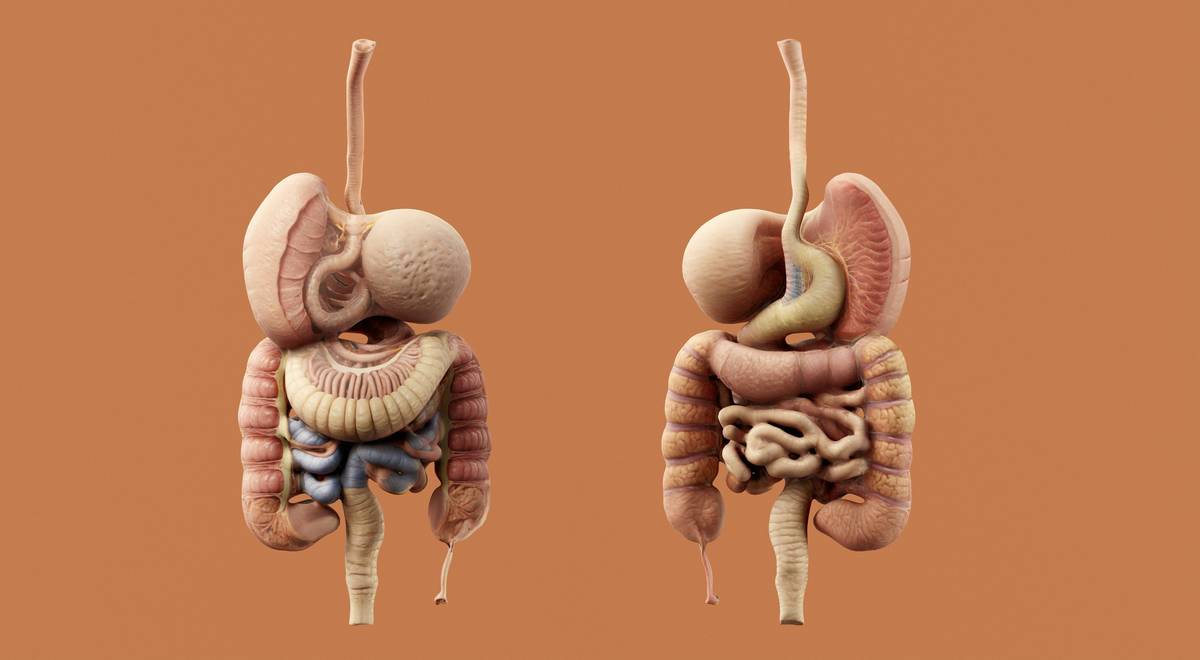
Let’s cut through the wellness noise: “Leaky gut” isn’t pseudoscience—it’s a measurable physiological state called increased intestinal permeability. Your small intestine is lined with epithelial cells sealed by proteins called tight junctions. When these junctions loosen (due to stress, poor diet, infections, or medications), undigested food particles, toxins, and bacteria slip into your bloodstream—triggering systemic inflammation.
But here’s the catch: bloating ≠ leaky gut. Many confuse IBS or SIBO with permeability issues. True diagnosis often requires a lactulose/mannitol urine test or zonulin blood test—though functional medicine practitioners often infer it based on symptom clusters + elimination diets.
Optimist You: “This sounds fixable!”
Grumpy You: “Ugh, fine—but only if coffee’s decaf and paired with bone broth.”
Your Step-by-Step Leaky Gut Repair Plan
Step 1: Remove Triggers That Widen Tight Junctions
Stop pouring fuel on the fire. Common culprits:
- Gluten (activates zonulin, a protein that opens tight junctions)
- Alcohol (disrupts mucosal integrity within 30 minutes of consumption)
- NSAIDs like ibuprofen (linked to 50% higher permeability risk per Gut journal)
- Excess sugar & emulsifiers (found in processed foods)
Step 2: Soothe Inflammation with Targeted Nutrients
This isn’t the time for kale smoothies alone. Prioritize:
- L-glutamine: The primary fuel for enterocytes (gut lining cells). Dose: 5–15g/day, split doses. A 2020 RCT showed significant permeability reduction after 8 weeks.
- Zinc carnosine: Stabilizes tight junctions. 75mg/day shown effective in human trials (Journal of Gastroenterology).
- Deglycyrrhizinated licorice (DGL): Soothes mucosal irritation without raising blood pressure.
Step 3: Reintroduce Beneficial Bacteria—Carefully
Not all probiotics help leaky gut. Strains like Lactobacillus rhamnosus GG and Bifidobacterium infantis show barrier-supporting effects. Avoid high-FODMAP prebiotics initially—they can worsen gas and distension.
Step 4: Support Mucus Layer Regeneration
Your gut lining has a protective mucus layer. Feed it with:
- Colostrum (rich in immunoglobulins)
- Omega-3 fatty acids (reduce TNF-alpha, a permeability trigger)
- Polyphenol-rich foods: blueberries, green tea, extra-virgin olive oil
Top 5 Evidence-Based Best Practices
- Don’t rush reintroductions. Wait until bloating and fatigue improve before adding back potential triggers—even “healthy” ones like legumes.
- Chew thoroughly. Poor mastication increases undigested particles entering the gut—overloading an already fragile system.
- Manage stress daily. Cortisol directly increases zonulin. Even 10 minutes of breathwork lowers inflammatory markers (Psychosomatic Medicine, 2022).
- Avoid “detox teas” and colonics. They strip beneficial flora and irritate the mucosa—counterproductive for leaky gut repair digestive js health.
- Track symptoms—not just stool. Use an app like Cara Care or even a notebook. Note energy, skin clarity, joint pain—not just bathroom habits.
Terrible Tip Disclaimer: “Just do a 3-day juice cleanse to reset your gut.” Nope. Fasting without electrolyte support + zero protein = muscle loss + worsened permeability. Hard pass.
Real Results: How Sarah Repaired Her Gut in 8 Weeks
Sarah, 34, came to me with chronic fatigue, eczema, and intolerances to dairy, eggs, and even spinach. Standard allergy panels were negative—but her zonulin level was 68 ng/mL (normal: <45).
We implemented a modified 4R protocol (Remove, Replace, Reinoculate, Repair) focused on leaky gut-specific nutrients:
- Removed gluten, alcohol, and NSAIDs completely
- Added L-glutamine (10g/day), zinc carnosine (75mg), and DGL
- Used low-FODMAP probiotics (B. infantis)
- Emphasized stewed apples (rich in pectin) and bone broth
By week 4: bloating reduced by 70%.
By week 8: zonulin dropped to 39 ng/mL, eczema cleared, and she reintroduced eggs without reaction.
Her secret? Consistency—and ditching the “miracle cure” mindset. “Healing felt boring,” she said. “But it worked.”
FAQs About Leaky Gut Repair Digestive JS Health
Can leaky gut cause weight gain?
Indirectly, yes. Chronic inflammation disrupts leptin/ghrelin signaling and may promote fat storage. But weight loss shouldn’t be the primary goal—focus on healing first.
How long does leaky gut repair take?
Most see symptom improvement in 4–6 weeks; full barrier restoration can take 3–6 months, depending on severity and compliance.
Is bone broth really helpful?
It contains collagen and glycine, which support mucosal repair—but isn’t a standalone solution. Don’t rely on it if you’re histamine-sensitive.
Should I test for zonulin?
Useful if accessible (through labs like Vibrant Wellness or Genova), but not essential. Clinical response to dietary changes is often more telling.
Can stress alone cause leaky gut?
Absolutely. Rodent studies show acute stress increases permeability within hours. In humans, chronic stress elevates zonulin—proven via cortisol-zonulin correlations.
Final Thoughts
Leaky gut repair digestive js health isn’t about exotic supplements or Instagrammable smoothie bowls. It’s a deliberate, science-informed process of removing harm, reducing inflammation, and nourishing your gut lining with precision. It demands patience—but the payoff is profound: fewer food fears, clearer skin, steady energy, and a resilient immune system.
Remember: your gut isn’t broken—it’s asking for better care. And honestly? That’s a conversation worth having over a warm mug of ginger-turmeric tea… preferably while your dog stays in the room.
Like a 2000s AIM away message: “BRB—repairing my gut barrier one L-glutamine spoon at a time.”