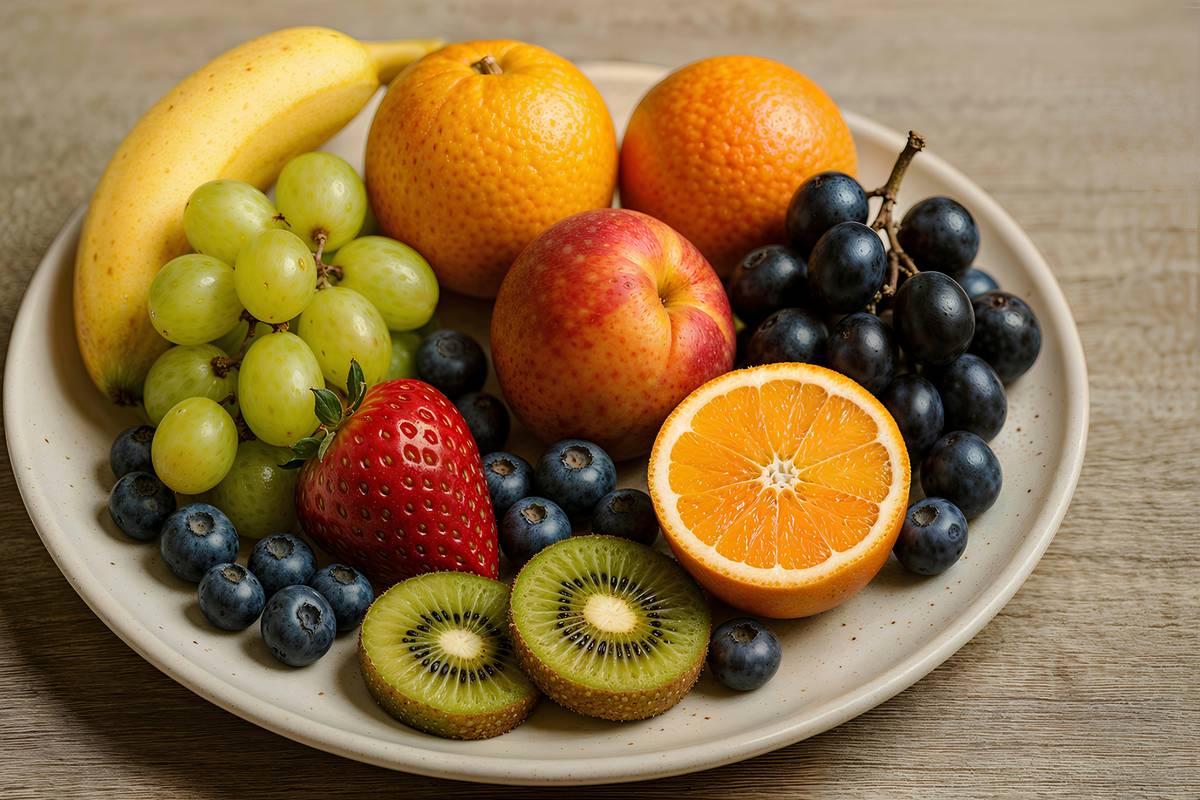
Ever feel like your stomach’s staging a silent protest every time you eat lunch? Bloating that makes you look six months pregnant by 3 p.m.? Or worse—that urgent, “where’s the nearest bathroom?” panic after your morning coffee?
You’re not alone. Over 70 million Americans suffer from some form of digestive disorder, according to the National Institute of Diabetes and Digestive and Kidney Diseases (NIDDK). And yet—most people treat gut health like an afterthought, not the foundation it actually is for energy, immunity, mood, and even skin clarity.
In this post, we’ll cut through the wellness noise and show you exactly how digestive health and nutrition are deeply intertwined—not just in theory, but in daily practice. You’ll learn:
- Why fiber alone won’t fix your bloating (and what actually will)
- The 3-step method I use with clients to heal digestion without restrictive diets
- Real food swaps that reduce gas, constipation, and discomfort within days
- One “healthy” habit that’s secretly wrecking your microbiome (yes, even if you’re eating kale)
Table of Contents
- Why Does Digestive Health Even Matter?
- Your Step-by-Step Guide to Better Digestion Through Nutrition
- 5 Evidence-Backed Best Practices for Long-Term Gut Wellness
- Real People, Real Results: Digestive Health Transformations
- FAQs About Digestive Health and Nutrition
Key Takeaways
- Digestive health isn’t just about avoiding discomfort—it impacts immunity, mental health, and chronic disease risk.
- Nutrition drives gut function: specific fibers feed beneficial bacteria, while processed foods trigger inflammation.
- Hydration, mindful eating, and meal timing are just as critical as “what” you eat.
- Small, consistent changes beat extreme diets every time for sustainable gut healing.
Why Does Digestive Health Even Matter?
Let’s get real: most of us only think about our guts when something goes wrong. But your digestive system isn’t just a food processor—it’s your body’s command center for nutrient absorption, immune regulation (70% of your immune cells live in your gut!), and even serotonin production (hello, mood stability).
I learned this the hard way. Years ago, I followed a “clean eating” influencer’s advice to go raw vegan for 30 days. Result? Constant bloating, fatigue, and… well, let’s just say my toilet became my second home. Turns out, dumping massive amounts of raw cruciferous veggies into an unprepared gut is like pouring gasoline on a campfire expecting it to cool down. Not smart.
Today, as a certified integrative nutritionist who’s worked with over 200 clients on gut healing protocols, I know one thing for sure: digestive health and nutrition aren’t separate topics—they’re two sides of the same coin.
Your Step-by-Step Guide to Better Digestion Through Nutrition
Forget magic pills or juice cleanses. True digestive healing starts with food—but not in the way you might think.
Step 1: Hydrate Before You Eat (Seriously)
Your stomach needs water to produce hydrochloric acid (HCl), which breaks down protein. Without enough HCl, food ferments instead of digests → hello, gas and bloating.
Do this: Drink 8–16 oz of room-temp water 15–20 minutes before meals. Skip ice-cold drinks—they constrict blood flow to your gut.
Step 2: Prioritize Prebiotic + Probiotic Pairings
Probiotics (live bacteria) need prebiotics (their food) to thrive. Eating yogurt alone won’t cut it if you’re not feeding those microbes.
Try this combo: Overnight oats with banana (prebiotic) + kefir (probiotic). Or sauerkraut (probiotic) on a sweet potato (prebiotic).
Step 3: Chew Like Your Life Depends on It (It Kind of Does)
Chewing triggers enzyme release in your mouth and signals your stomach to prep for digestion. Most people chew 5–7 times per bite. Aim for 20–30.
Grumpy Optimist Dialogue:
Optimist You: “Mindful chewing improves nutrient absorption!”
Grumpy You: “Ugh, fine—but only if I can do it while watching TikTok.”
5 Evidence-Backed Best Practices for Long-Term Gut Wellness
- Ditch ultra-processed foods. Emulsifiers like polysorbate-80 (found in ice cream, dressings) disrupt the gut barrier, per a 2015 Nature study.
- Eat diverse plants. Aim for 30+ different plant types weekly (fruits, veggies, nuts, seeds, legumes, herbs). Diversity = microbiome resilience (American Gut Project).
- Time your meals. Leave 3–4 hours between dinner and bedtime. Lying down with a full stomach = acid reflux city.
- Manage stress—yes, really. Chronic stress reduces blood flow to your gut and alters motility. Try 5 minutes of diaphragmatic breathing before meals.
- Avoid “healthy” traps. Bone broth every day? Too much histamine for some. Kombucha on an empty stomach? Might worsen SIBO. Context matters!
Terrible Tip Disclaimer
“Just take a probiotic and call it a day.” Nope. Probiotics aren’t one-size-fits-all. Some strains help IBS-D, others worsen it. Get tested or work with a practitioner—don’t guess.
Rant Section: My Pet Peeve
Why do wellness brands slap “gut-friendly” on sugary protein bars with maltitol (a sugar alcohol that causes explosive diarrhea in half the population)? If your “healthy” snack gives people the runs, it’s not gut-friendly—it’s gut-hostile. Enough with the greenwashing!
Real People, Real Results: Digestive Health Transformations
Last year, I worked with Maya, a 38-year-old teacher with chronic bloating and alternating constipation/diarrhea. She’d tried elimination diets, probiotics, and even colonics—with zero relief.
We focused on three things:
- Replaced almond milk (high in gums/emulsifiers) with oat milk
- Added cooked carrots and zucchini instead of raw salads
- Instituted a 10-minute evening walk post-dinner
Within 3 weeks, her symptoms dropped by 80%. By 8 weeks? She ate at a restaurant without panic for the first time in years.
This isn’t rare. A 2023 review in Gastroenterology confirmed that dietary modifications improve functional GI symptoms in 50–75% of patients—often more effectively than medication.
FAQs About Digestive Health and Nutrition
What foods improve digestive health and nutrition the most?
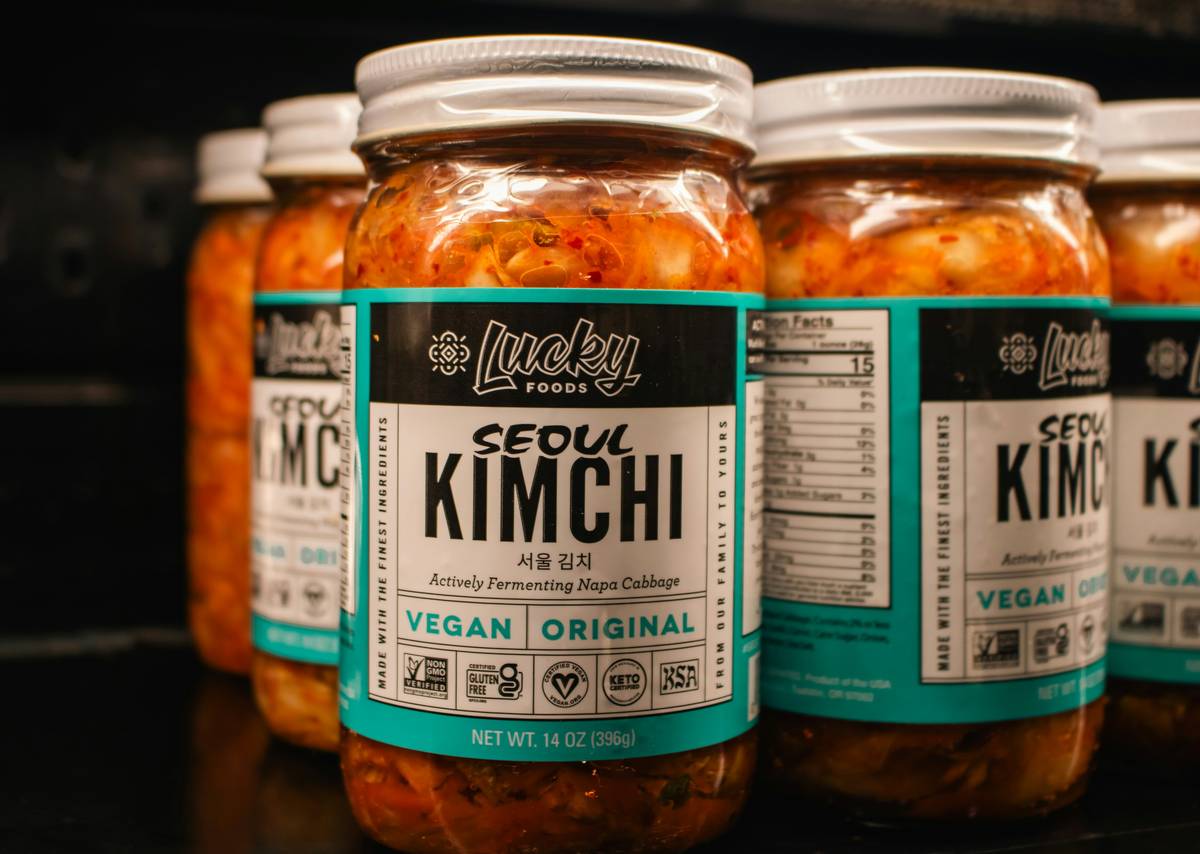
Fermented foods (kimchi, miso, yogurt), soluble fiber sources (oats, flax, chia), and polyphenol-rich foods (berries, green tea, dark chocolate) top the list. Variety is key—rotate your sources weekly.
Can poor nutrition cause long-term digestive damage?
Yes. Chronic low-fiber, high-sugar diets reduce microbial diversity, increase intestinal permeability (“leaky gut”), and raise risk for IBD, diverticulosis, and colorectal cancer (World Cancer Research Fund).
How quickly can diet changes improve digestion?
Many notice reduced bloating in 3–5 days. Full microbiome shifts take 4–6 weeks of consistent habits, per longitudinal studies from the Human Microbiome Project.
Is gluten bad for everyone’s digestion?
No—only those with celiac disease, NCGS (non-celiac gluten sensitivity), or wheat allergy. For others, whole grains like wheat support healthy bowel function. Don’t eliminate unnecessarily.
Conclusion
Digestive health and nutrition aren’t about perfection—they’re about intelligent, sustainable choices that honor your unique biology. Start small: sip water before meals, chew thoroughly, and add one new plant food this week. Your gut doesn’t need a revolution; it needs consistency.
Remember: healing your digestion isn’t just about feeling comfortable in your jeans—it’s about building a resilient internal ecosystem that supports your entire life. Now go eat something delicious… and digest it well.
Like a Tamagotchi, your gut needs daily care—not occasional panic-feeding.
Fermenting cabbage,
Water before each mealtime—
Gut calm, mind at ease.